Table of Contents
Artificial gold jewellery — like gold-plated or gold-toned fashion pieces — is beautiful but more delicate than solid gold. With time, sweat, dirt, and oxidation can make it look dull. The good news? You can safely restore shine at home with gentle methods.
Note: If you want help caring for solid gold jewellery too, check out our other guide How to Clean Gold Jewellery at Home for detailed tips. (Fact: real gold cleaning also uses mild soap and warm water.)
Why Artificial Gold Jewellery Needs Special Care
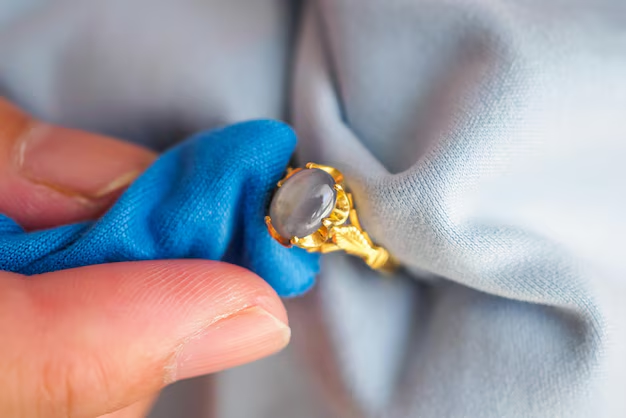
Artificial gold jewellery is often made by coating a base metal with a thin layer of gold-colored plating. This layer can wear off if treated roughly, so ordinary polishing methods used for solid gold don’t always work here.[1]
For this reason, gentle techniques are essential — and harsh chemicals, strong abrasives, or ultrasonic cleaners should be avoided.
What You’ll Need (Most Items Already at Home)
✔ Mild dish soap
✔ Warm water
✔ Soft cloth or microfiber cloth
✔ Soft toothbrush (optional)
✔ Small bowl
✔ Baking soda (optional)
✔ Lemon juice or light vinegar (optional)
Clean with Mild Soap and Warm Water (Safest Method)
This is the gentlest and most recommended way to clean artificial gold jewellery.
How to do it:
- Mix a few drops of mild dish soap in a bowl of warm water.
- Soak the jewellery for a few minutes to loosen dirt.
- Use a soft cloth to gently wipe the piece.
- If needed, lightly use a soft toothbrush to reach small crevices.
- Rinse with clean water and pat dry with a soft cloth.
Why it works: Warm water and mild soap safely lift dirt without damaging delicate plating.
Polishing with a Soft Cloth
After cleaning, buff your jewellery with a smooth cloth. A microfiber or jewellery polishing cloth can help restore shine.
Tips:
- Rub gently.
- Avoid microfiber cloths that have rough fibers.
Light Baking Soda Paste for Tarnish (Use with Care)
For slightly tarnished pieces, a homemade baking soda paste can help — but use it sparingly.
Steps:
- Mix baking soda and a little water to form a paste.
- Apply gently to the jewellery with your finger or soft cloth.
- Rinse immediately and dry.
Caution: Overuse or scrubbing too hard can remove plating because gold plating is thinner than solid gold.[2]
Mild Acid (Lemon Juice or Vinegar) – Quick Dip Only
Some home care guides suggest briefly dipping jewellery in a mild acid solution like lemon juice or vinegar to brighten dull pieces.
Steps:
- Pour a small amount of lemon juice or vinegar in a bowl.
- Dip jewellery for just a few seconds.
- Rinse right away and dry.
👉 This should be done very briefly — long exposure can harm the plating.
What NOT to Do
❌ Don’t use strong chemicals like bleach or alcohol.
❌ Don’t scrub with abrasive brushes or toothpaste — these can scratch plating.
❌ Don’t use ultrasonic cleaners or silver polish.
Because metal plating is thin, rough methods remove more than just dirt — they remove the gold layer too.
Everyday Care Tips to Keep Shine Longer
✨ Wipe jewellery gently after each wear.
✨ Store in a dry, cool place (airtight bags help).
✨ Avoid perfumes, lotions, and sweat contact when wearing.
✨ Take jewellery off before showers or workouts.
These simple habits slow down tarnish and maintain shine.
Frequently Asked Questions
Can artificial gold jewellery look shiny again?
Yes — with gentle cleaning and polishing, you can restore much of the original shimmer.
Is toothpaste safe for gold plating?
No — rough toothpaste formulas can scratch the delicate plating.
What should I avoid putting on plated pieces?
Harsh chemicals, strong detergents, and abrasive tools can damage the finish.
Conclusion — Gentle Care Makes it Last Longer
Polishing artificial gold jewellery at home doesn’t require expensive tools — just safe, gentle methods and consistency. Regular light cleaning and careful handling will keep your jewellery looking beautiful for much longer.
For advice on cleaning solid gold jewellery safely, check out our guide How to Clean Gold Jewellery at Home (uses similar gentle washing techniques).