Table of Contents
Introduction
Platinum jewellery is a luxurious category of fine jewellery made from platinum, a rare white precious metal prized for its purity, strength, and timeless appeal. Unlike other metals that may require surface plating to achieve a white finish, platinum naturally shines with a bright white luster, giving jewellery an elegant and modern look that doesn’t fade easily.[1]
Because of these unique qualities — along with durability and rarity — platinum jewellery is often viewed as a premium choice for special occasions like weddings and anniversaries. In this guide, you’ll learn what platinum is, how it compares with gold, why it commands higher prices, and whether it’s worth choosing for your next jewellery purchase.
What is Platinum?
Platinum is one of the world’s most treasured precious metals. It’s a naturally white, dense transition metal often used in jewellery for its refined appearance and long-lasting strength.[2]
Compared to gold, platinum is much rarer. Some industry estimates suggest platinum can be up to 30 times less abundant in the Earth’s crust than gold, which contributes to its premium status.[3]
Because of its natural whiteness, platinum doesn’t require plating or additional coatings to maintain its colour — a feature that makes it especially desirable for white-toned jewellery such as engagement rings and diamond settings.
Why Platinum is Used in Jewellery?
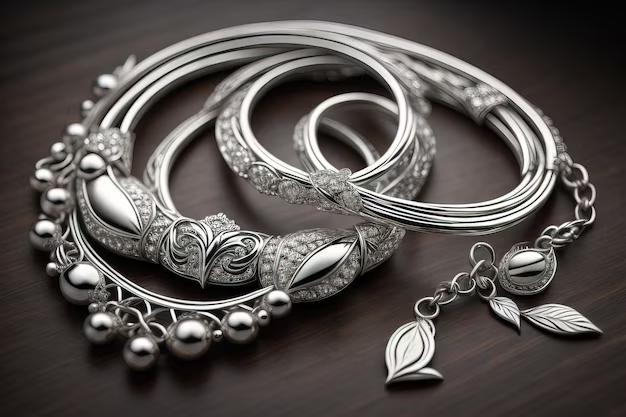
Platinum is chosen by fine jewellers for several compelling reasons:
Strength and Durability
Platinum is notably resistant to wear, scratches, and corrosion, even when worn every day. Scientific comparisons have shown that platinum maintains its structure and resists abrasion better than many gold alloys, making it ideal for wedding bands and high-wear pieces.[4]
High Purity
Jewellery-grade platinum is often around 95% pure metal, which is significantly higher than many gold alloys used in jewellery. This means more actual precious metal in each piece.
Hypoallergenic Nature
Unlike some gold alloys that include metals like nickel, platinum is generally hypoallergenic — a big reason it’s recommended for people with sensitive skin.[5]
Long-Lasting Shine
Because platinum naturally retains its white sheen, it doesn’t need frequent replating or refinishing. Over time, it develops a soft patina that many buyers find beautiful.
(This section links to your sub-blog: “Why Are Gold and Platinum Suitable for Making Jewellery?”)
Platinum vs Gold: Key Differences
When buyers compare metals, gold and platinum are always at the top of the list — but they’re quite different:
Color
Platinum has a natural bright white colour, while gold — even white gold — usually requires rhodium plating to achieve a white tone.
Purity
Platinum jewellery often contains a higher percentage of pure metal compared with gold alloys. For example, 950 platinum alloys contain around 95% platinum, whereas typical gold jewellery (like 18K) contains around 75% pure gold.
Durability
Platinum is denser and more resistant to deformation, scratches, and wear over time. Gold can be softer — especially in higher carats — making platinum a better choice for everyday pieces.
Maintenance
Gold can lose its rhodium plating and require re-plating to maintain its white finish, while platinum naturally retains its colour.
Price Comparison
While gold often has a higher spot price per gram globally, platinum jewellery frequently costs more at retail because of its density, purity, and craftsmanship requirements.
Why is Platinum Jewellery Expensive?
Several factors contribute to platinum’s premium price in jewellery:
Rarity
Platinum is significantly rarer than gold, making it harder to source and mine.
Density and Weight
Platinum is denser than gold, which means a platinum piece of the same size will often weigh more — raising its base cost.
Mining Difficulty
Because platinum ores are more scarce and concentrated in fewer regions globally, extracting and refining platinum requires more effort and cost.
High Purity Level
Platinum jewellery often uses a higher percentage of precious metal compared with many gold alloys, contributing to its higher intrinsic value.
(This section links to your sub-blog: “Why Platinum Jewellery is Expensive?”)
Platinum Jewellery Making Charges Explained
Platinum jewellery can carry higher making charges than gold for reasons such as:
Skilled Craftsmanship
Working with platinum requires specialised skills. Its higher melting point and density make shaping and stone-setting more complex.
Special Tools Required
Platinum needs specific tools and techniques that are different from those used for gold, often adding to production time and labour.
Longer Production Time
Because platinum is tougher to work with, intricate designs can take longer to complete.
Material Recovery & Wastage
Recycling and reclaiming platinum scraps requires careful handling due to its high value, which can increase making charges.
(This section links to your sub-blog: “Why Platinum Jewellery Making Charges Are High?”)
Is Platinum Worth Buying?
Platinum jewellery can be a compelling choice for people who value:
- Wedding or engagement jewellery — because of its strength and lasting finish.
- Everyday wear — platinum withstands daily use better than many other metals.
- Long-term value — although resale and buyback values may vary locally, many buyers cherish the metal’s rarity and symbolism.
FAQs Section
Is platinum better than gold?
Platinum offers greater durability and a naturally white finish, while gold has a more established global investment and resale market.
Does platinum lose shine?
Platinum retains its colour without plating and develops a soft patina that many find attractive.
Is platinum good for daily wear?
Yes — its resistance to wear and tear makes platinum ideal for items like wedding rings that are worn every day.
Can platinum be resized?
Yes — though resizing platinum requires skilled jewellers because of its density and melting properties.
Conclusion
Platinum jewellery stands apart for its rare natural whiteness, exceptional durability, and high purity. While it often costs more — both in metal price and making charges — many buyers choose it for the emotional significance and longevity it offers. For couples, daily wear pieces, or heirloom-quality designs, platinum can be a deeply meaningful choice that lasts for generations.