Introduction
In Indian weddings, jewellery is more than adornment—it represents heritage, prosperity, and tradition. Among all bridal necklaces, the Rani Haar holds a special place due to its royal lineage and visual grandeur. Historically worn by queens and women of noble families, a rani haar symbolised status, elegance, and cultural pride.
Today, bridal rani haar designs in gold continue this legacy. Brides choose these long necklaces to complement traditional wedding attire such as lehengas and sarees, creating a balanced and regal look. The popularity of traditional designs is influenced by regional styles, craftsmanship techniques, and cultural symbolism passed down through generations.
Understanding the different bridal and traditional rani haar styles helps brides choose a design that aligns with their wedding theme, comfort, and personal taste. Explore the complete Gold Pearl Rani Haar Price guide.
Why Rani Haar Is a Bridal Jewellery Essential
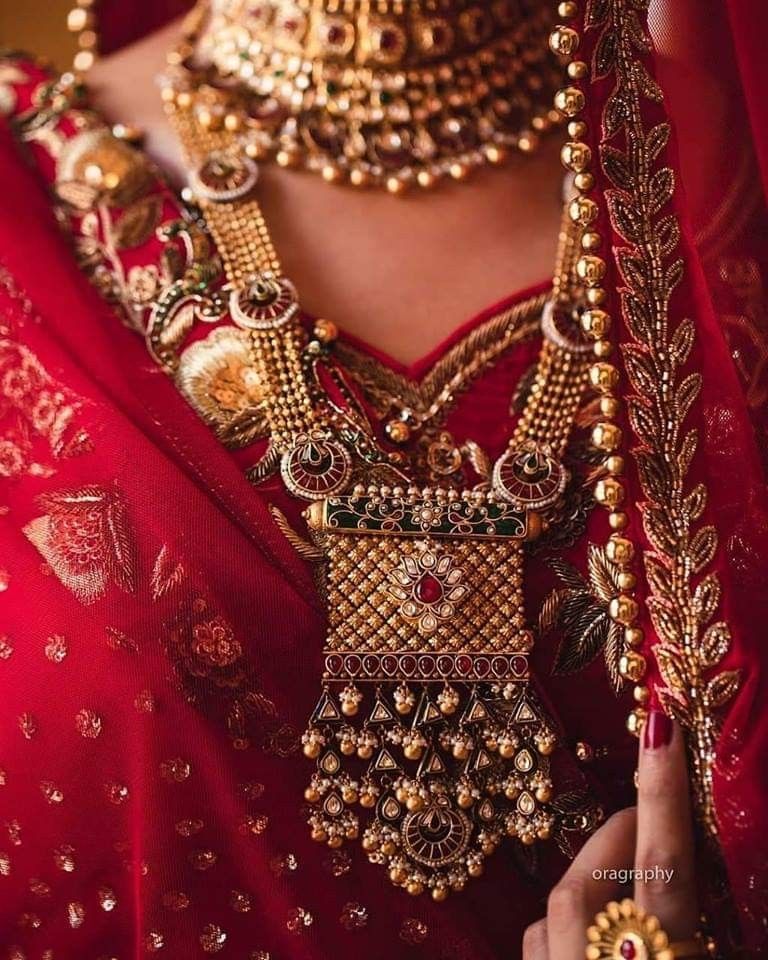
The rani haar is considered a bridal essential because of its length, prominence, and cultural meaning. Indian bridal jewellery traditionally includes long necklaces to create visual harmony with richly embroidered outfits and layered jewellery styling.
Bridal jewellery, including rani haar, represents prosperity and auspiciousness—values deeply rooted in Indian wedding traditions . The craftsmanship involved in creating these necklaces also reflects artisanal heritage, making them heirloom-worthy pieces often preserved across generations.
Antique Rani Haar Designs in Gold
Antique rani haar designs draw inspiration from heritage aesthetics and classical craftsmanship. These designs often feature traditional motifs, elaborate detailing, and finishes inspired by old-world jewellery styles. While many antique-style designs today are newly crafted, their appearance reflects historical influences seen in royal and temple jewellery traditions.
Such designs are popular among brides who prefer a heritage or vintage wedding theme. Antique-style rani haars are often chosen for their timeless appeal and their ability to complement heavily embroidered bridal attire.
Rajputi Rani Haar Designs
Rajputi jewellery traditions are associated with ornate designs and layered styling, reflecting the royal heritage of Rajasthan. Traditional Rajput attire, including jewellery, is known for its bold appearance and cultural richness.
Rajputi rani haar designs typically feature strong visual elements that suit royal or destination weddings inspired by heritage palaces. Brides drawn to cultural authenticity often prefer these designs for their expressive and regal character.
Jodha-Style Rani Haar Designs
Jodha-style rani haar designs are influenced by Mughal and Rajput craftsmanship traditions, which are known for intricate detailing, symmetry, and layered aesthetics. Indian jewellery design has long incorporated Mughal-era influences, especially in long necklaces and ceremonial jewellery.
These designs often pair well with chokers and other traditional bridal jewellery, creating a layered look commonly seen in grand wedding ceremonies. Pearl detailing and balanced structure are visual elements frequently associated with this style.
Traditional Simple Rani Haar Designs in Gold
Not all brides prefer heavy or elaborate jewellery. Traditional simple rani haar designs in gold offer elegance without excessive ornamentation. These designs focus on clean patterns, minimal detailing, and classic forms while still maintaining cultural significance.
Such designs are ideal for brides who value comfort and understated elegance, especially for daytime weddings or smaller ceremonies. Despite their simplicity, they remain deeply rooted in tradition and craftsmanship.
Bridal Rani Haar Styling Tips
Styling a rani haar correctly is essential for achieving a cohesive bridal look. Traditional Indian jewellery styling often involves pairing long necklaces with chokers, jhumkas, and other accessories to complement the bridal outfit.
When choosing a rani haar:
- Consider the neckline of the bridal outfit
- Balance jewellery weight for long wear comfort
- Match design style with wedding theme
These considerations help ensure both elegance and comfort throughout the ceremony.
Bridal Design vs Weight vs Price (Quick Overview)
| Design Style | Weight Range | Price Impact | Best For |
|---|---|---|---|
| Simple Traditional | Medium | Moderate | Day weddings |
| Antique | High | Premium | Heritage themes |
| Rajputi | High | Premium | Royal weddings |
| Jodha Style | Medium–High | High | Grand ceremonies |
This overview highlights why bridal jewellery choices should be evaluated holistically—design, comfort, and craftsmanship matter as much as visual appeal.
Things to Check Before Buying a Bridal Rani Haar
Before finalising a bridal rani haar, buyers should verify:
- BIS Hallmark certification, which confirms gold purity
- Gold purity preference (22K is traditionally favoured for bridal jewellery)
- Comfort for long ceremonies
- Compatibility with bridal attire and other jewellery
FAQs – Bridal & Traditional Rani Haar Designs
Which rani haar design is best for a bride?
The best design depends on the wedding theme, outfit style, and comfort preference. Traditional, antique, and heritage-inspired designs are commonly chosen for weddings.
Are antique rani haars heavier than modern designs?
Antique-style designs often appear heavier due to detailed craftsmanship, though actual weight varies based on construction and materials used.
Can simple rani haar designs be worn for weddings?
Yes. Many brides prefer simpler designs for daytime or minimalist weddings while retaining traditional elegance.
Do bridal rani haars require higher gold purity?
Bridal jewellery traditionally uses higher gold purity, commonly 22K, for its rich appearance and cultural significance .
Conclusion
Bridal and traditional rani haar designs in gold represent centuries of Indian heritage, craftsmanship, and cultural symbolism. From antique-inspired pieces to Rajputi and Jodha-style designs, each variation reflects a distinct tradition while maintaining royal elegance.
When choosing a bridal rani haar, brides should consider design style, comfort, and wedding theme, ensuring the piece complements both the outfit and the occasion. Traditional designs continue to endure because they blend beauty with cultural meaning—making them timeless choices for Indian weddings.