Table of Contents
Jewellery looks beautiful when new — but over time many metals lose their shine, darken, or change colour. That process is called tarnishing. Anti tarnish jewellery is made or treated to resist that change so pieces retain their appearance longer. This guide explains what anti tarnish jewellery means, how the protection works, which materials and coatings are most common, how to care for these pieces, and realistic expectations for durability — with sources you can quote directly.
Why Jewellery Tarnishes?
Tarnish is a surface reaction that causes metals to darken, develop a film, or lose their original shine. For example, silver reacts with sulfur or oxygen in the air; that reaction produces a darker layer on the surface. Humidity, sweat, perfumes, lotions, pollution, and chemicals speed up this change.
What “Anti Tarnish” Means
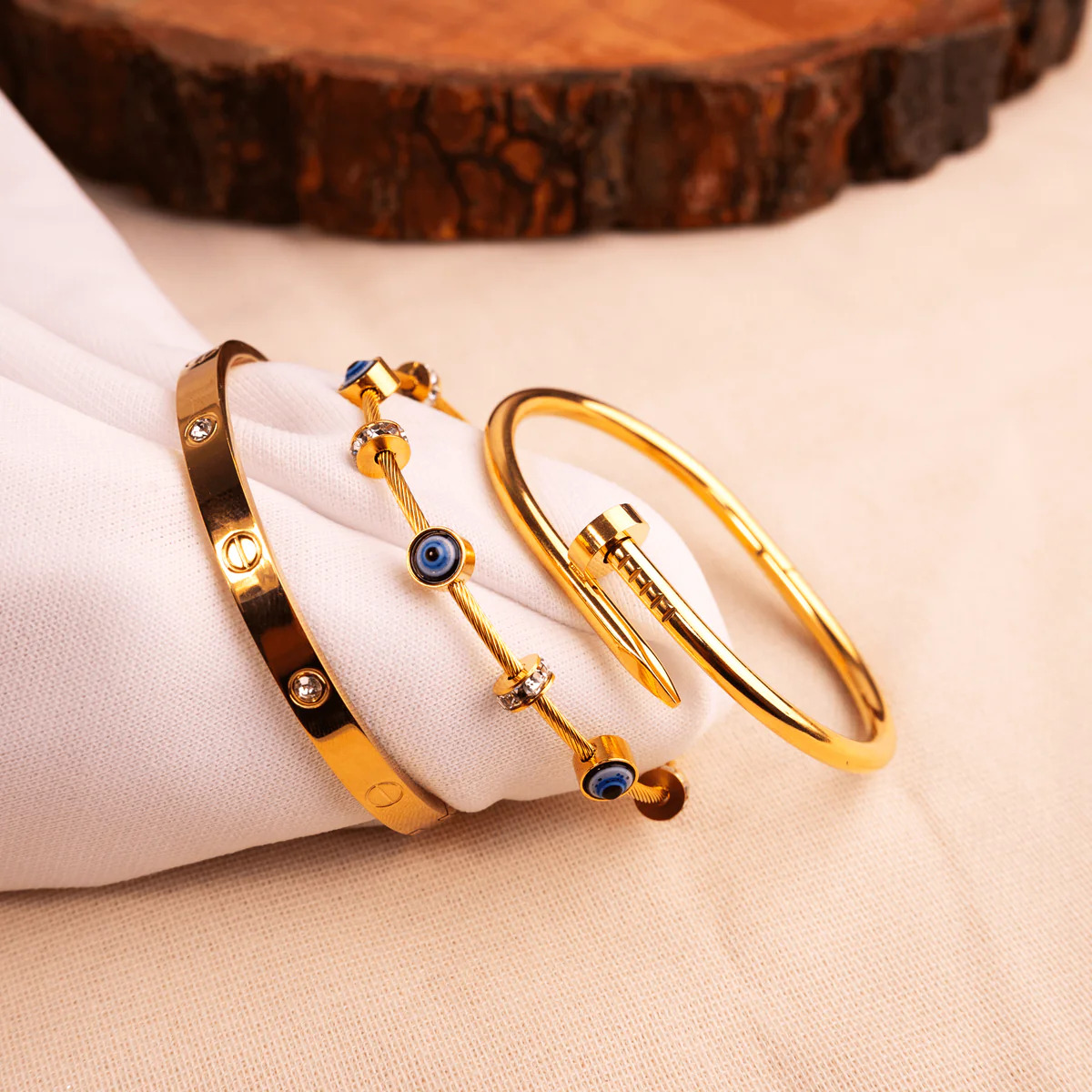
Put simply, anti tarnish means designed to prevent, slow, or reduce tarnishing — usually by keeping the reactive metal isolated from the air, moisture, and other corrosive agents. Retail explanations define anti tarnish jewellery as pieces that either use non-tarnishing base materials or are finished with a protective barrier to resist oxidation and discolouration.
How Anti Tarnish Protection Works?
There are two broad ways manufacturers make jewellery anti tarnish:
A. Use Of Inherently Non-Tarnishing Materials
Some metals — such as stainless steel, titanium, and certain alloys — are naturally resistant to tarnish because they don’t react easily with air or sulfur. StyleBuzz and other jewellery guides point out these materials as low-maintenance choices.
B. Protective Coatings On Reactive Metals
Most “anti tarnish” retail pieces are actually common jewellery (e.g., sterling silver, brass) that has been given a protective finish. These finishes include:
- Rhodium plating — a thin layer of rhodium (a hard, shiny metal) electroplated onto silver or white gold to prevent exposure and add shine.
- E-coating (electrophoretic coating) — a clear polymer layer applied electrically to form a protective barrier; often used to resist wear and tarnish.
- Clear lacquers or polymer films — applied to the surface to isolate metal from air and moisture.
Each of these barriers physically keeps the metal from contacting oxygen, sulfur compounds, and moisture — the triggers for tarnishing.
Which Metals And Jewellery Types Commonly Carry Anti Tarnish Finishes
- Sterling silver — very common to receive rhodium plating or a lacquer to make it anti tarnish.
- Gold plated / brass jewellery — often coated to reduce tarnish; plating thickness and the top-coat type determine longevity.
- Stainless steel and titanium — naturally lower maintenance and sometimes marketed as “anti tarnish.”
Is “Anti Tarnish” The Same As “Waterproof”?
No. Anti tarnish protection reduces oxidation and discolouration, but it does not automatically mean the jewellery is waterproof. Many anti tarnish finishes provide some water resistance, but repeated exposure to water, sweat, soaps, or chemicals will wear coatings away over time. Retail guides caution that anti tarnish jewellery should still be treated carefully — avoid heavy chemical exposure and long hot showers with plated pieces.
How Long Do Anti Tarnish Finishes Last?
There’s no single answer because durability depends on:
- Type of coating (rhodium and high-quality e-coats last longer)
- Thickness and quality of the plating or lacquer
- How often the piece is worn and what it’s exposed to (water, perfume, sweat, household chemicals)
- How it’s stored and maintained
Retail sources emphasize that anti tarnish does not mean permanent — coatings can wear off and may need re-plating or replacement after months to years depending on usage.
Benefits Of Choosing Anti Tarnish Jewellery
According to product and jewellery education pages, buyers can expect:
- Longer lasting shine and improved appearance out of the box.
- Less frequent need for polishing and maintenance.
- Better suitability for everyday wear (depending on coating and material).
These benefits are practical reasons people choose treated jewellery, especially for gift items or daily staples.
Practical Care Tips For Anti Tarnish Jewellery
To make anti tarnish finishes last longer, follow these commonly recommended practices:
Do:
- Store jewellery in a dry place, ideally in individual pouches or anti tarnish paper/strips. (General industry advice seen across sources.)
- Remove jewellery before swimming, bathing, heavy cleaning, or applying lotions and perfumes.
- Gently wipe pieces with a soft microfibre cloth after wear to remove sweat and oils.
Don’t:
- Use harsh chemical cleaners or abrasive polishing pastes on coated or plated surfaces (they remove the finish).
- Store different pieces together where they can rub and wear coatings.
Common Myths And Realistic Expectations
- Myth: “Anti tarnish means it will never tarnish.” Reality: It slows or reduces tarnishing, but it doesn’t make a piece impervious. Coatings wear and need care.
- Myth: “Anti tarnish = fake jewellery.” Reality: Real metals (sterling silver, gold) are frequently treated with legitimate anti tarnish finishes (rhodium, e-coats) to enhance durability and appearance.
Is Anti Tarnish Jewellery Worth Buying?
If you want low-maintenance everyday pieces or giftable items that stay bright for longer, anti tarnish jewellery is generally worth the small premium. However, if you expect absolute permanence or extreme water/chemical exposure, choose inherently non-tarnishing metals (stainless steel, titanium) or be prepared for re-coating over time. The “worth” decision depends on how you plan to wear and care for the piece.
Frequently Asked Questions
Q: Does Anti Tarnish Jewellery Turn Black?
A: It’s less likely to than untreated metal, but coatings can wear and eventually the base metal may show tarnish if exposed long enough.
Q: How Do I Know If Jewellery Is Anti Tarnish?
A: Sellers usually label or advertise it as “anti tarnish,” “rhodium-plated,” “e-coated,” or “protected with clear lacquer.” If not stated, ask the retailer which treatment has been used.
Q: Can Anti Tarnish Jewellery Cause Skin Allergies?
A: Allergies depend on the underlying metal and any nickel content, not just the anti tarnish finish. If you have metal sensitivities, check the base metal and ask the seller about nickel-free finishes.
Q: What Is E-Coating And Why Is It Used?
A: E-coating is an electrophoretic deposition of a polymer layer that creates a thin, even protective film to resist tarnish and wear. It’s used because it bonds well to irregular shapes and provides consistent coverage.
Quick Takeaway
- If you want low-maintenance shine: favor anti tarnish treated pieces (look for rhodium plating or e-coating).
- Expect care: avoid heavy chemical exposure and store pieces dry.
- For permanence: consider inherently non-tarnishing metals (stainless steel, titanium).
