Table of Contents
Introduction
Antique gold jewellery carries history, craftsmanship and stories. Unlike modern jewellery made for mass fashion, antiques were often handcrafted for royalty, temples, and special ceremonies — and many pieces survive today as treasured heirlooms. If you’re shopping for an antique piece, collecting for long-term value, or simply curious about the styles and techniques, this guide explains what “antique” means in jewellery, how antique pieces differ from vintage and contemporary jewellery, how to recognise authentic pieces, and how to care for them — all using reputable, published sources.
What “Antique” Means in Jewellery
In jewellery terminology, “antique” typically refers to items that are more than 100 years old, and that display period-specific design and craftsmanship rather than modern mass production. This century-old threshold is the most commonly accepted definition used by collectors and specialists. The age requirement is what distinguishes true antique pieces from vintage (generally 20–100 years old) and contemporary jewellery.
Why Antique Gold Jewellery is Valued?
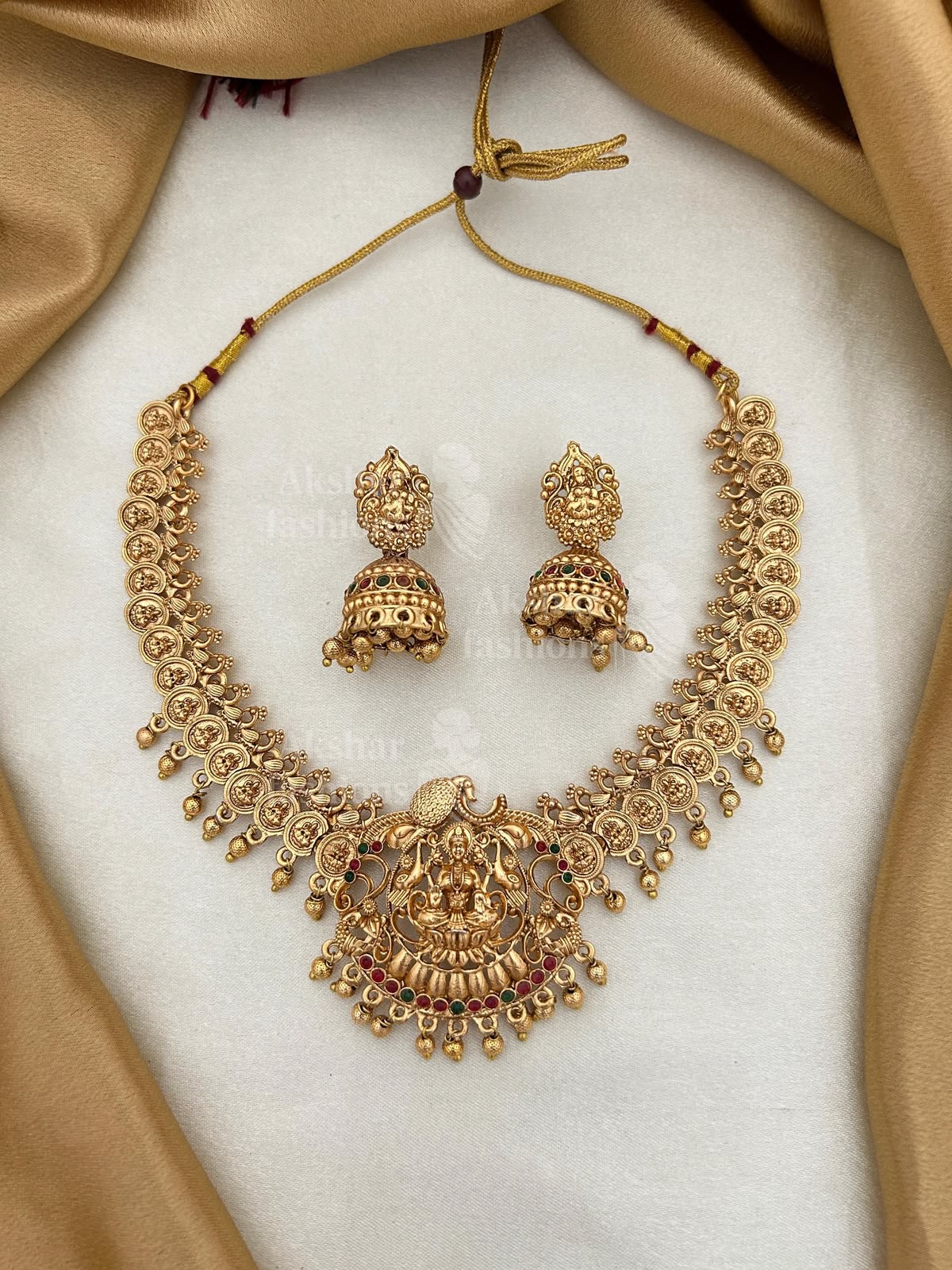
Antique gold jewellery is prized for a few linked reasons:
- Historical and cultural significance. Pieces often reflect the art, religion, and social customs of their era.
- Handcrafted detail. Many antiques were made with time-intensive techniques — hand engraving, filigree, jadau, meenakari enamel, Kundan and Polki settings — that are rarer today.
- Scarcity and provenance. Older, well-documented pieces are finite in number; provenance (ownership history) elevates desirability and price.
Typical Features & Techniques Seen in Antique Gold Jewellery
Antique gold pieces often show one or more of the following characteristics:
- Matte, oxidised or subtly patinated finishes that emphasize form and carving rather than mirror shine.
- Intricate handwork such as filigree, granulation, hand engraving and repoussé.
- Traditional Indian techniques — Kundan (gemstones set with gold foil), Polki (uncut diamond settings), and Meenakari (enamel work) — commonly appear in South Asian antique collections.
- Temple motifs and iconography (deities, floral and animal motifs) are frequent in South Indian antique temple jewellery, which historically served both ritual and decorative functions.
Antique vs. Vintage vs. Antique-Finish: Quick Comparison
- Antique (100+ years) — Period pieces, high historical value, often handcrafted, may come with maker’s marks or BIS hallmarks.
- Vintage (20–100 years) — Reflects fashions of a past era (mid-century, art deco), may still be collectible but not technically “antique.”
- Antique-finish / antique-style — Modern pieces intentionally finished to look aged (oxidised patina, hand-engraved patterns) but lacking the age, provenance, and rare craftsmanship of true antiques. Always check documentation and maker’s marks before assuming real antiquity.
How to Identify Authentic Antique Gold Jewellery
Authenticating antiques requires a combination of visual knowledge, hallmark/hallmark research, and expert appraisal:
- Hallmarks and maker’s marks. Many antique pieces bear stamps indicating metal purity or maker identification. Researching these marks — often region-specific and sometimes requiring specialist references — is a key authentication step.
- Design and construction techniques. Anomalies in soldering, hand-engraving tool marks, and older stone-setting styles signal age and handcrafting.
- Provenance and paperwork. Receipts, appraisals, and documented ownership history strongly support authenticity and value.
- Professional appraisal. For high-value purchases, a qualified antique jewellery appraiser or trusted auction house evaluation is essential.
Popular Antique Styles in India
Antique gold jewellery in the Indian context often falls into familiar traditional categories:
- Temple jewellery: Originating in South India for deities and dancers; heavy, sculptural pieces featuring deity motifs.
- Kundan and Polki sets: Royal court aesthetics with uncut diamonds (Polki) or foil-mounted gems (Kundan).
- Meenakari work: Enamelled designs frequently paired with Kundan settings in Rajasthani and Mughal-influenced pieces.
Is Antique Gold Jewellery a Good Investment?
Antique pieces can be both emotionally and financially valuable, but investment outcomes depend on several factors:
- Rarity and condition. Well-preserved, rare pieces with provenance typically appreciate more.
- Cultural demand. In markets where traditional and heritage jewellery remains coveted, antiques retain strong resale value.
- Intrinsic metal value vs. collectible premium. While gold content contributes to baseline value, the collectible (artistic/historical) premium can far exceed bullion value for desirable antiques.
Buying Guide — What to Check Before You Buy
- Ask for hallmarks and documentation. Verify maker’s marks, purity stamps, and any provenance records.
- Inspect craftsmanship. Look for signs of handwork (tool marks, hand-set stones) rather than machine finishing.
- Condition and repairs. Older repairs may affect value — ask about restorations and have them documented.
- Seller reputation. Prefer established dealers, auction houses, or specialists in antique jewellery.
- Get an independent appraisal for high-value pieces before purchase or payment.
Care & Maintenance of Antique Gold Jewellery
Antique jewellery is often delicate; handle with care:
- Avoid harsh chemicals. Don’t use strong cleaning agents; they can damage enamel, fragile settings, or surface patina.
- Professional cleaning recommended. For delicate or high-value pieces, trusted jewellery conservators and experienced jewellers are best.
- Proper storage. Keep pieces separate to avoid abrasion; store in padded boxes or cloth pouches.
- Regular inspections. Have prongs, settings and clasps checked periodically — older mountings may loosen over time.
Pros & Cons — Quick Summary
Pros
- Unique, historically rich designs
- Potential for higher collectible premiums than modern pieces
- Heirloom and emotional value
Cons
- Often higher purchase price (collector premium)
- Fragility and increased maintenance needs
- Authentication can be complex and may require expert help
Frequently Asked Questions
Q: Does “Antique” Always Mean The Jewellery Is More Valuable Than Modern Gold?
A: Not always. Value depends on condition, rarity, provenance, and market demand. While many true antiques command premiums, some aged pieces in poor condition or common designs may not be more valuable than clean, modern equivalents.
Q: How Does Antique Gold Differ From “Antique Finish” Jewellery?
A: “Antique” implies real age (typically 100+ years) and historical provenance. “Antique finish” refers to a modern piece treated to look aged — it lacks true period authenticity and provenance.
Q: Can Antique Gold Jewellery Be Resized Or Repaired?
A: Many repairs or modifications are possible, but they should be done carefully by an expert jeweller experienced with antiques to avoid damaging original workmanship or reducing value.
Q: Where Should I Buy Authentic Antique Jewellery?
A: From reputable antique jewellery dealers, established auction houses, or trusted specialists who provide hallmarks, provenance documents, and independent appraisals.
Conclusion
Antique gold jewellery is more than metal — it’s wearable history. True antique pieces (generally 100+ years old) combine rare craftsmanship, cultural narratives and the possibility of collectible appreciation. Whether you’re buying for beauty, culture, or investment, informed purchases — supported by hallmarks, documented provenance and professional appraisal — will protect both your enjoyment and your money.
